
|
TRACKLIST
|

|
|
TRACKLIST
|
SONG: (you're so) pretty by Cloudboy
The first Cloudboy song I heard was called “you’re so (pretty)” on a random spotify playlist titled “songs I found on bandcamp”. Their song was added to a playlist immediately and became apart of my daily shuffle like it was a song I had known for years. After a deep dive of their album and other projects one night I knew I had to talk to them. Never did I think a band living across the world, whose last album came out before I was born would answer but I decided to take a chance anyway and send an email out asking for an interview. A huge thank you to Jo Contag for taking time to speak with me!
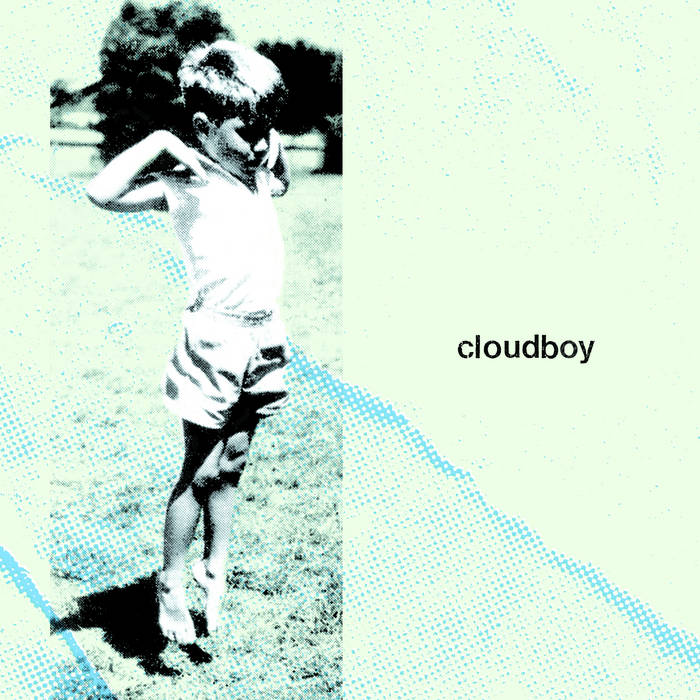
Cloudboy was an psychedelic pop group from Dunedin, New Zealand. Cloudboy was comprised of Demarnia Lloyd on (vocals, songwriting), Craig Monk (violin, guitar), Johannes Contag (guitar, bass, production etc). Coming right after their more poppy group by the name Mink, the group set out to produce a sultry, dreamier sound more fitting for Lloyd’s voice. They rose to popularity not just for their unique blend of musical inspirations and references but also for their finely curated live performances in theaters and art galleries. They succeeded and continued paving a path for themselves with their music and live shows, even going as far as having their song featured in What We Do In The Shadows. The 20th anniversary re-release of their album garnered them a surge of new fans so check out Down at the end of the garden now!
Déesse: Perfect. Okay, thank you so much, and welcome to another Friendcities interview. Today I have a very special guest, if you want to go ahead and introduce yourself.
Johannes: Hi, my name's Jo, or Johannes Contag. I'm from the New Zealand band Cloudboy.
Déesse: Cloudboy, yes, and if you are watching this and you sort of recognize that name, you don't know where you might have seen it in Friendcities, you might have seen them on our Volume 10 song recommendations. I personally recommended one of your songs, so thank you, thank you so much, it's an honor to have you here. And let's just get started. I want to go back to just before Cloudboy, before any other band, because I know you've been in quite a few bands. What made you want to start making music in general?
Johannes: Me, personally? I just have to say in advance, just so you get an idea of where I'm at with Cloudboy, I play a bunch of instruments, and I do the recording and mixing, whereas the songs are written by our singer, Demarnia. I'm more the sort of the producer-y kind of person just for context. Why'd I get into music? I don't know, I've always enjoyed music… I grew up in Germany and New Zealand. I went between the two. What really inspired me in New Zealand, mostly, towards music, is the sort of Flying Nun DIY home recording kind of scene. There's a duo called Tall Dwarfs. And on their record covers, they've got pictures of them plugging a microphone into a 4-track. And it's basically, you could hear how to make music yourself. And I was like, wow, you don't need big fancy studios, you can just make it, and publish it, and it can get out there, and I found that it's hugely inspiring, and I bought myself a cassette 4-track, and… just started doing that kind of stuff.
Déesse: Wow, that's really cool. Can I ask, because, like I said, I did my own research, but I feel like I didn't even figure out all the bands you've been in. What was the first ever band you joined or formed?
Johannes: I mean, there was kind of high school bands and stuff, but, in Dunedin - so I ended up moving to Dunedin, which is like the spiritual homeland of all the Flying Nun kind of sound, and this is in the early 90s, like, 91 I moved there. And this is sort of at the onset of techno and grunge, you know? That kind of era. I had a hard-rocking three-piece band that I played the bass in, that was pre-grunge kind of stuff, sort of… Jane's Addiction, Faith No More, The Cult, Fugazi, that kind of sound? And grunge happened, and we all felt ripped off, because our sound wasn't cool anymore. But then that just kind of fizzled out, and I got recruited into this band of electro-pop kind of stuff, this band called Mink, and that ended up being like an 8-piece band with 3 women singers, one guy singer who also wrote songs, and some guy who wrote slightly deviant lyrics and stuff. And we did one of New Zealand's first independently produced CDs, and so that was really cool. CD was a new format then, especially in an affordable way. There's lots of expensive CDs, but for a local band to have a CD was a really cool thing, and we toured and had a door deal where you'd pay to get in and you'd also get a CD for free, and we had sold out concerts, we sold thousands of CDs, it was great. And that was kind of also the seeds of Cloudboy as well, because all the people who were later in Cloudboy started out in Mink together. But Mink was more of a deviant party band. Cloudboy was a bit more atmospheric and serious, whereas Mink was just purely party.
Déesse: Yeah, I've heard a few songs, and yeah, it's like a party, but like a really weird party, and I really like it. Yeah. So that's how you first met the other members of Cloudboy. How do you remember the actual meeting, or your first impressions of them?
Johannes: Well, the nice thing in Dunedin is that it's a small university city, and it's far away from anywhere else… It's got a very thriving nightlife. Everybody knows each other, so pretty much with all the bands that I've ever been in, it's people that I enjoy hanging out with, and going out with, and drinking, and partying, and going to gigs, that kind of thing, so it's this very homogenous kind of thing, your friends, your drinking buddies, your co-musicians in other bands, and it's sort of each other's audiences as well, so these are just people that I know from going to bars and gigs. And we'd just be friends, and some of us would sometimes flat together or whatever, so it's very close-knit kind of stuff, and I've never really played music just with complete strangers in that sense. I mean, I have, but I've never really formed very meaningful bands with strangers. It's always people that I have to have a personal connection with first. And that's totally the case with Cloudboy, we all knew each other before Mink as well, and through university too.
Déesse: Yeah, honestly, that's really cool, hearing that it's people that you just party with and drink with is honestly really inspiring, so that's a good answer. Yeah, so after Mink, then, you were in Mink, you were making party music. What made you guys want to go from that to a more, like, moody, almost, like, movie-like soundtrack?
Johannes: Yeah, so our singer, Demarnia, the band she had before Mink was called Munky Kramp. They were also quite a party band, but more like ska-influenced. And she was really into that, but her voice, if you listen to it, is generally much more suited to being quiet and intimate. And so Mink and then Cloudboy sort of naturally evolved in a way that she would sing the more moody, intimate songs anyway. She didn't write any of those songs in Mink, she wasn't a songwriter in that band. But she is a very good songwriter, and obviously she just wanted to do her own thing, and it really all started with her getting a sampler. In those days, sampling was a really cool thing, and it had gotten affordable, so you could buy like secondhand cheap lo-fi samplers. And she just got into it, and she had an old black and white Apple Macintosh, a little box computer with a sequencer in it. She had the sampler, and like a little General-MIDI kind of unit, and that was enough to be like an actual little music studio, just like a really lo-fi music studio. Also the main kind of songwriter-y guy from Mink, he operated with MIDI and with that kind of gear, and he set her up with that. And she just went for it, and she just sampled the hell out of people's record collections, old, crackly samples and whatever. She just went wherever that took her. And it was really exciting to listen to. A lot of it was a bit rough to start out with, but it was really cool, and it was really unique. This is sort of the same time that in the world you'd had stuff like Portishead and Bjork. They're also quite sample-based, and we never got so into the real beat focus of those bands, but definitely the sampling weird stuff kind of thing, and so that's really where it came from with Demarnia. Because sample time would be quite limited on those old samplers, they'd be really short samples, like half a second or a second long. And to get anything meaningful out of them, she'd often just pitch them down so that they'd get longer. And so you get these abstract, quite low, rumbly kind of sounds. I guess that just lent itself to her writing some moodier music, which I think she'd been meaning to do anyway. Yeah, so that's kind of how Cloudboy started, and then I really clicked with her about that, and then we recruited Craig to play the violin, and Heath, the drummer for Mink, to play some really quiet drums, and… yeah, it kind of went from there.
Déesse: Do you guys remember a first song that you guys made, and it just felt like, this is Cloudboy, this is quintessential, like, this is our sound?
Johannes: Well, so the main guy from Mink, he'd gotten a grant to record Demarnia, and the first song she wrote was called “Cloudboy”, and so we made an EP called “Cloudboy”, and that first song was the starting point. Before she got the sampler, that was like the quintessential Cloudboy song, quite a simple minor-key chord progression with some really catchy melodies, and her voice carrying the whole thing, and we just went from there.
Déesse: Wow. And can I ask, what does Cloudboy mean? I don't think it's got a deeper meaning?
Johannes: On the EP, the back cover was some clouds in the sky, and one of them looked vaguely like a head, but I think that was more an afterthought. I guess it's this kind of carefree, unfettered-from-reality kind of innocent, childlike, androgynous thing. Also, you know, the potential to get subverted or whatever? Sort of all coming together in there.
Déesse: Yeah. Definitely. So, if… let's say someone is listening to this for the first time, and they're interested, but they've never heard Cloudboy, how would you describe Cloudboy's sound?
Johannes: Well, you know, I've always struggled with that. This was especially important when we first released our main album, which came out in 2001. At that time, Bjork was still quite big, and it’d be an easy default thing just to say it's in that Bjork-y sort of trip-hop vein, but it's not really trip-hop. You can also see some Kate Bush in there, and in the understated singing, Suzanne Vega. But while we were recording and mixing and arranging the whole thing, stuff that I would listen to would be like Pet Sounds by the Beach Boys, which is full of cool weird orchestral instruments and stuff, and we really got into that. It wasn't so much about trying to capture a moody trip-hop vibe, it was just about making interesting sounds, really, and not really guitar-focused, and not beat-focused. I read this article a few years ago that really got into talking about musicians from the 90s. There was this overriding urge for everything to be original. To make something new, something that hadn't been heard before. And I think that was especially true for us, and with Cloudboy, having home recording on computers and stuff, and with samples and whatever, it was new territory, and it hadn't really been done, so we actually just tried to make something that's like nothing else. And that's why it's hard to really pinpoint, what's it sound like? I mean, there's lots of influences. Sort of an older influence would be something like Slapp Happy, do you know that band? “Casablanca Moon” was a big song for us, it was this German singer, Dagmar Krause, and she worked together with two guys from Henry Cow. Before that, they worked together with some guys from Faust, which is a Krautrock band. Yeah, so there's lots of outsider kind of weirdo music that I guess has influenced us, or like Brian Eno in the “Another Green World” era, that kind of stuff. But it was hard at the time to define something that we are like, but I think that was actually a really strong point about us as well.
Déesse: That's a great answer. Do you remember having any obscure sources of inspiration that weren't even music-related, or do you feel like you had some sort of skill that wasn't music-related that made you better at making something new?
Johannes: Hm. Stuff outside of music... Demarnia did lots of art, and broches, and she later moved into making really intricate metal jewelry art. And she was also quite a good painter. And she'd write stories and poems. Myself and Craig, the guitarist, we knew each other from university studying literature, German literature. And so we had a bit of a literary angle, coming from that. Yeah, obscure stuff… I don't know, just the nightlife kind of stuff we got into as well, drinking absinthe and so on. Also, Dunedin is just a really beautiful place. This quite unique, southern New Zealand kind of space, so we were quite into going out there, and nature would be inspiring as well. Even though, I mean, it's a bit of a cop-out to just cite nature as an influence, but…
Déesse: If it works, it works.
Johannes: Dunedin… let me tell you another thing. Dunedin is just a really creative place, and so in a way, that's really inspiring, together with the scene of people, just that whole scene together. I'll give you an example. I left there like 2001, 2002, around that time, we all left. But I went back 10 years later, and I saw this show at a fringe festival called “Night Voyeur”. The people who made it, they'd set up in this old warehouse, this huge old warehouse. The audience got taken in in lots of like 20, and you'd be in there for half an hour or so. What they set up was like a whole village or a town with houses that you could see into, like, two-storied or whatever, and there'd be eight or nine different houses, and you'd be in the town square, and just walk around and check out what's happening in each of these houses. They had microphones everywhere, and they drew your attention by turning up different houses at different times, and you'd walk there and go check that out. It would have taken like six months to build and to set up. And this is just for a fringe show, where people pay $5 or $10 to get in. A lot of people are on social welfare but are just still being artists, and just quite hardcore alternative, outside of the mainstream, and not focused on jobs, but just this quite big artistic community that exists outside of the world of money and so on, and they do stuff like that, and I've never seen anything like it anywhere else. And… I guess that's probably the main inspiration outside of music.
Déesse: Your surroundings.
Johannes: Yeah, totally.
Déesse: So for this next section, I want to get into your time touring as Cloudboy. I know you guys toured Europe, right? So, is there a show, just in all of your touring as Cloudboy, is there a show that sticks out to you as the best one that was just most euphoric?
Johannes: Let me tell you a bit about Cloudboy live first. So in Dunedin, the live band scene, we all played in lots of bands, and we had fun bands as well, and we’d also party lots. But Cloudboy is just so quiet and focused that we ended up not really enjoying playing in bars where there's drinking and laughing and talking so much, so we ended up gravitating more towards seated audiences. And for an indie band in a small university town, there's not that many places where you can play. So we ended up picking art galleries, that would be one thing. And they were kind of okay, but often the sound would be quite crap, and there wouldn't be seating. And then theaters would be another thing, theaters would sometimes work. But what we were ultimately gravitating towards was movie theaters. And we did, I think the first thing we did is, have you ever seen this film “Baraka”? We just made up totally our own soundtrack to it, and we set up in the audience area, facing the screen, and did like a whole 90-minute soundtrack to “Baraka”. And we really caught the bug and went, yeah, movie theaters are fantastic for bands, but then we switched to playing in front of the screen. Also, at that time, digital filming was still new. And so we'd make backing videos. And on the backing videos - because with Cloudboy, there'd always been these sample backing tracks anyway - as well as Mink, both these bands were backing track bands - so there'd always be a backing track, and the band plays along. And so we put the backing track on the videotape as well. Basically, in terms of format, like a music video that you play along to, so it's like the skeleton of the song and the background, and you play all the live stuff along to it. And that worked really well in movie theaters as well. So when we had our album, we did a release tour with a different video for each song. And we'd stage that in places with projectors, art galleries with projectors, or movie theaters. So my favorite show, and the biggest one we did, was in Wellington, where we’d moved to, and where I am again now. After the tour, all the shows had sold out, so it was like, let's go to the biggest movie theater in town and just do a huge show, and that sold out as well, it was just amazing having like 2,000 people there, all seated, watching us play this show at the Paramount Theater in Wellington. So that was probably my favorite show. We toured in New Zealand a bit… after that, we did a tour that specifically engaged with film. I'd struck up a good relationship with the New Zealand Film Archive. Because old grainy film footage worked really well with our kind-of grainy samples and all that. They let us use their stuff, but they were a little bit iffy about it; they didn't just want it to be like wallpaper in the background, because it's their film collection and it holds a lot of meaning. So we had to be quite careful with that, and we thought, let's honor this, and we'll actually do something where we put the films in the center. So we got a program of like eight or nine old 16mm films together, from their collection, actually on film. We got an old army-style film projector, and we wrote some music to go with that, as soundtracks to these eight little films, and we toured that. There were some pretty amazing shows in that as well, like playing in a huge art gallery where we played on the top floor, with a foyer down below, and we'd project over to the other wall, and it was packed out, and we'd have the film projector doing its rattling sound, and we'd play along to it. We did that across New Zealand as well. That's the show that we took to Europe, we got funding to take it to Europe, and we based ourselves in Berlin for, like, a year? And in the UK, some of us were in the UK, in London and in Newcastle. But as a band, we were mostly based in Berlin, and we kept congregating there, and from there, we'd branch out to, like, Prague, and what's the southernmost we played? I can't actually remember right now. And yeah, across the UK and in Scandinavia. Yeah, so we had like a year of doing that, but that was kind of the end of it really. It was both the high point and the end, because we, especially myself and Demarnia, had been self-managing the whole thing from start to finish. It just got a bit much. We'd been doing nothing but Cloudboy for about five years, and we just needed to move on and do something else with our lives, because it just consumed us too much.
Déesse: Right, yeah. Did you have a favorite song to perform live?
Johannes: Uh... not really, no. In the expanded lineup that we had before we did that real 16mm film-focused thing, I'd switch instruments a lot. In the original incarnation of Cloudboy, I'd just played bass, but then, after doing all the recording, I'd added so many other instruments that we got another bass player, and then I'd be switching between guitar and flute and keyboards. And sometimes mandolin or whatever else. And same with our violinist, he'd be playing three or four instruments as well. I guess for me, a nice thing was doing things like playing instruments in ways that they weren't really meant to. When we re-released the album, a couple of years ago, there had been a song where I’d originally played a distorted bendy bass, and when we redid it, I played that same bass line with a flute that I pitched down two octaves and going through distortion as well. And so that was quite cool, just playing the bass part, a distorted bass guitar part, with a flute. That was a lot of fun. But, generally, all the songs, they're really super intense, so it's always just a huge experience playing each one of them, really.
Déesse: Yeah, I discovered “Pretty” first, and I just thought it was… I thought they all were gonna sound like that, and they…
Johannes: Yeah, right.
Déesse: I was very taken aback when I listened to the album, especially from the first song, you hear influences that you don't really expect to hear from a band from New Zealand. So it was just… I definitely know what you mean. I wanted to also ask if there's a song that means something to you now that's different to what it did when it first came out, or when you first composed it.
Johannes: Well, it's all changed a lot, because we had, like, a 22-year gap. And Demarnia wrote a lot of the songs even, you know, five or six years before that, so some of the songs were like almost 30 years old by then, so it was like an archaeological dig, in a way, into your own past. And especially for her; on some of the songs, she'd gotten quite dark on stuff in life at the time. I think for her, it was quite a full-on thing to get back into that mind frame, because you change over time, and so it was quite a big deal for her to revisit all that. And I guess for us as well. But yeah, the best way I could describe it is like this archaeological thing, so you have a certain distance to it. It was also really cool doing it again. I don't know if any songs in particular had changed a lot? Because I’d also remastered the album before putting it out, I was just generally surprised about how well it all still worked. I expected it to sound a bit more dated or something, but I was quite happy that it was fairly timeless.
Déesse: Yeah, it very much is… I mean, it's definitely coming back around, because that's how I found it, but yes, there's definitely a market for it right now.
Johannes: Yeah cool.
Déesse: What song… is there a song that came really, really easy to you, and a song that you couldn't, for the life of you, figure it out what it needed?
Johannes: There's one song, interestingly, on the album that we changed the lyrics to at the last minute. The old lyrics were a sort of a murder story, and then Demarnia decided that's just too much, and she totally changed to these really abstract lyrics. And then when we got back to it this time around, she went back to the original lyrics.
Déesse: I was gonna ask what “You're So Pretty” means… that's just a question for me, because I love that song, and I was the one that recommended it.
Johannes: I think that's one of the few genuinely nice love songs. I mean, this was also the time when twee was a big thing, you know, like Belle and Sebastian and those Stereolab albums, “Dots and Loops” and so on. I find that twee thing a bit difficult now, but back then, it was totally fine to just be kind of post-ironic cutesy sometimes, just to throw that in among all the other music that there was.
Déesse: How did that song fit into the context of the album?
Johannes: I mean, there's a few songs that are sort of nicer, and there’s sort of lighter and darker songs, so it's definitely one that's on the lighter side, and I think if it was all dark stuff, it would be a bit too dreary. And so it's nice that the album takes different turns, and it's definitely a high point in that sense. Somebody reviewed it once as saying it was as close as Cloudboy would get to an anthem.
Déesse: Do you have a favorite lyric on the album?
Johannes: Oh there's lots. The song “Ahoy”, which is quite depressing, basically about being cheated on by your partner. It's just a real downer of a song. That's got lots of lyrics that stick around in my head, especially when I was remastering. But no, sorry, I don't have anything specific to share.
Déesse: So, obviously, I am a stranger that hit you up from the Internet. I wanted to ask you what's been… besides this, I don't know if it is, but what's been the most interesting thing about strangers, just from all over the place, listening to your music?
Johannes: Yeah, it's really cool. This is great, you know? Just having somebody from Arizona, yeah? I mean, it's amazing; when we first put out the album, that kind of stuff wasn't really that possible, although the Internet was around then. The most interesting one has been - Red Rubicon, which is the second song on the album, was used in the movie “What We Do in the Shadows”. That's probably as big as we got, just looking at the YouTube views for that song. We’d never officially disbanded after we stopped doing stuff together in Europe, but we never put the album online, so there was no online presence with this band until we did the reissue. And we quite deliberately kept it off the streaming platforms and everything - because we wanted to have a concerted effort to put it back out, and then be online. And we meant to do that like 10 years sooner, but just didn't get around to it. So while we were basically in this no-Internet zone for Cloudboy music, we got approached by “What We Do in the Shadows”, and they just wanted to use the song, because the filmmakers remembered it from when they were younger, and they were, like, we love this song, it'd be so perfect with the vampires and all that. It was for the nightlife scene. And that led to lots and lots of people getting in touch, like, hey, can I remix this song, and wow, and so on… but they have this film context, so [to them] it's become a moody nightlife vampire kind of song. So through that movie, more people have heard that song than anything else of Cloudboy combined. And it just got huge. Maybe.
Déesse: I remember being very surprised when I heard your music and your album, and then Rubicon was your most listened-to song. I was so like… huh, that's interesting that this is the one that people picked up the most, and then I found out that it was in “What We Do in the Shadows”, and that made more sense, but I was like, it's a really good song, I just didn't think that it was the one people would be most taken by. I like the moodier ones. I'm, like, a little bit emo, so I just gravitate towards those ones. So it was very interesting to see what people listen to on your album.
Johannes: Yeah.
Déesse: I also wanted to ask you, you talked about how things were when you guys were first releasing things, and how for a band, an independent band, to have a CD that was pretty cool, and that sampling was a newer thing, so what, all these years later, what do you make of the music industry now, and how the Internet and streaming has affected things?
Johannes: Yeah, I mean, during that time when we were off the Internet, Napster happened, and that kind of stuff, and I got this central insight which I shared with anyone who'd want to hear it, that suddenly the sign of success - after everybody was sharing music online, with peer-to-peer networks and file sharing, I was like, suddenly all the music was everywhere, you know? And it was just so inflationary, it was crazy. I guess it's the same as now with Spotify, any music you want to listen to, you can listen to, and it's just there. So I got this insight with Napster that the sign of music being successful is if anybody has bothered pirating it! Not buying it but just stealing it, basically. And that just turned everything upside down for me. We were kind of lucky with our re-release that our record label, Flying Nun, put it out for us, and they did it on vinyl. There was meant to be a vinyl re-release, as well as the online stuff, obviously, but it was really nice for us to revisit that physical format. And also, I think a lot of the people that would like our music would be really into vinyl collecting. Even though I'm not so sure about vinyl now myself… back in the day, vinyl was like the cheap way of getting music. You'd buy secondhand vinyl for a couple of bucks. And that would be a music collection, because you didn't have money to buy $20, $30 CDs. And so we've all got hundreds and hundreds of records, or we did back then, that's what we'd listen to. And that's also, I guess, what shaped us…
Déesse: That's so interesting, because I have a vinyl collection myself, but now it's like it's something that I have to put into my budget, like, it's a vinyl, if you want a good vinyl, it's gonna be $45.
Johannes: Yeah, crazy. Crazy, and so many of the reissues that get put out now, that kind of money. I've got original copies that I bought for $2 or $3, you know?
Déesse: Right, yeah, and if you go to stores, you can sometimes find an album there on vinyl, and it'll be in good condition, it'll be like $5, but at a good store, it'll be $30 for the same album.
Johannes: Yeah. It's mostly the thrift shops, they've pretty much been fished out, so I think they're all gone, those bargains... What you were asking, earlier, how has it changed now? So after having had this insight that, basically, if anybody can be bothered copying it, that's sort of the new sign of whether it's a success, or if anybody can be bothered actually listening to it. That's just devalued it a lot, so in a way music has been robbed of its value, of its physical value. It's just become sound, you know, on Spotify people don't even listen to albums, just whatever the playlist is, you just put it on in the background. Which is a real shame, but so my own approach since then has been more towards performance again, and especially one-off performances. Because then you can create that kind of scarcity, and that gives it value again. The biggest things I've done in the last 10, 15 years is that I've written orchestral live accompaniments to old silent films. And those would just play at film festivals with an orchestra in the room. A conductor who would sync it up visually to the old silent film. It'd be a one-off experience. The audience comes, and they go, whoa, that blew my mind, I will never ever see that again, or hear it anywhere. And that makes it really special. With recordings, we were at that really lucky cusp where we were early adopters of home recording, recording with computers and, you know, “do you have enough CPU processing power to run a reverb”, that kind of thing, how many tracks could you run. But we could do that, we could create broadcast-quality stuff, and that was still a new thing, and with Cloudboy, we could make a name for ourselves, being independently home-produced but at of broadcast level, a good, high-quality level… not lo-fi, is what I mean. Whereas now, you can buy yourself a second-hand laptop for a couple of hundred bucks, get totally legit free software, buy yourself a microphone for $50 secondhand, buy yourself a pair of secondhand monitor speakers for another $100, and basically for about $500, you have a home studio with which you can record at a sound quality that's pretty much - if you don't get into the vintage gear fetishism - like anything that was recorded in the 80s and 90s. You can do that at home now. And that also means that people do that, and it's just so much music, you know, whatever the crazy numbers are of what gets uploaded to Spotify every day, even if you discount all the AI-produced stuff. It’s probably, I don't know, 500,000 new songs a day across YouTube and Spotify and Apple Music and so on. That's insane, yeah? So that's also, why bother with recorded music at the moment? I don't know. I think it works on a local level, or if you have local audiences, or like global communities, global small communities that somehow come together over particular themes. Then that still works, but I don't know what the future is, and it's… it's quite hard.
Déesse: Yeah, that's a really good answer. I definitely see what you mean with that, especially as a younger person who's on the Internet, every few videos it's somebody promoting their new project. And it's like, it's nice to see, because I want to support it, but it's also hard to support it when it's every few scrolls, you know? So I definitely see what you mean. I want to support everyone, but it's hard.
Johannes: How do you find music?
Déesse: I… well, your song, first of all, I found your song on Spotify, but it was through a playlist someone made called “Songs I Found on Bandcamp”, so somebody found your song on Bandcamp, and then made a playlist for me to find on Spotify. So, you know what? That's actually a really good way to find music, is the human side of Spotify, the human side, where it's people who are taking songs they love and putting it in a playlist for people, for the public. That's actually how I found a lot of my songs, and any song I like, I like to go through the similar artists, or, you might also like this, and I find a lot of songs that way. But yeah, I definitely get what you mean. It seems like everyone is making music right now, so it's hard… you don't have enough time to listen to all of that music.
Johannes: Yeah.
Déesse: And you have to make a video with every song, like, if you make a project, you have to make a video on TikTok or on something, to be like, please listen to me, hey, and it's just very disheartening, so definitely, yeah, I get what you mean. Do you, over your years of making music, not necessarily just Cloudboy, but in general, what is a piece of advice that you would want to give to a newer artist now that you wish someone gave you?
Johannes: Oh. I should be able to answer this, because I work at a university, teaching music tech, live music tech, and also recording in studios. And there's other people who teach performance, and other people, again, who teach industry stuff. And I wish I had an answer to that, for my students.
Déesse: Well, how about… let me say it this way, looking back, what were some of your missteps?
Johannes: Yeah, right, I mean, the biggest thing is not having a manager. We always kind of half-heartedly looked for a manager, but we never found one, and… I guess I'm too much of a control freak to give over too much control to managers as well? And I found, also with doing this tour, this reissue tour, we did get a manager on board, but then we ended up doing most of the stuff ourselves, because we're such perfectionists. And it was hardly worth paying them that much, but… there just needs to be more managers, more people who are enthusiastic about music who want to take it on, and we just need to find them, that's the main thing. Like, self-management, you just put in so much of your energy. It's kind of the hardest thing when you do all the creative side, all the mixing and the songwriting. And then you have to promote it yourself as well?? It's quite disheartening, and you're like, what a slog, now I have to sell it. That's always been my thing, I just make this stuff, and I do these huge projects. And then they're finished, and I can hardly be bothered selling them, because I've put in so much energy already. And finding a good balance there of finding people, just being more of a hardcore networker to find other people, who can do the selling part. Get them on board with royalties or whatever. I guess that yeah, that would be my main advice. Find management. Or recruit a manager, or just convince somebody to be a manager.
Déesse: Yeah, so try to be a little bit business-minded about your art, basically.
Johannes: Yeah, but - I found it too much. I found it's too much of a headfuck to do the creative side, and then have to put on the business cap as well, and I've heard that from a lot of other people as well. They just all hate it, and now have to promote the hell out of it as well. We just need to train up more managers, more industry people who are into it, and just attract them to our music. I've done lots with government funding, applying and getting funding. And so that kind of thing works okay, but it's really just getting through to the audiences and having people networking online… that's what we need. We need more people like yourself who just do stuff, and you know, who reach out to someone at the other end of the world, that kind of thing, that's what we need more of. We need more of you!
Déesse: Yes, well… I, for one, think that's a great answer. Well, I won't take up too much more of your time. I only have one question left. Thank you so much for taking time out of your day to speak with me. This whole thing started because I found your song, and I loved it, and I wanted to recommend it to people, so I wanted to ask you, is there a song that you want to recommend to me, or to anyone watching?
Johannes: From… from that album, or in general, do you mean?
Déesse: In general. A few songs, maybe.
Johannes: Ah, just songs, stuff to listen to.
Déesse: Yeah.
Johannes: Yeah, have you ever checked out the Kočani Orkestar? That's a Serbian group from about 15 years ago, when Serbian brass music had a big revival. When we moved to Berlin, we saw a lot of Serbian brass music. It's insanely good. They've got this album called “Alone at My Wedding”, and I can still listen to that over and over. What I've also recently rediscovered is the early Stereolab albums, where they go for more of a shoegaze feel, before they got into the twee stuff, it's more organs rather than synthesizers. Those first two albums, “Peng!”, and also their first compilation “Switched On”. They're really good. I don't have that much time to listen to music at the moment because I've got two kids that are aged 6 and 7… 6 7. But yeah, that's two random recommendations.
Déesse: Are there any new artists that are on your radar or exciting you?
Johannes: Well, I mean, on a local level, our guitarist, Craig, he's got a band called OMMU, that's a real nice, jammy, post-rock kind of trio. Definitely recommend that. But really I've been more digging into the past again. I've been getting into Stars of the Lid, that's a really cool ambient duo that sounds like it's all synths, but it's all guitars. They're really cool, just rediscovered them. Yeah, no, I've been on a trip in the past.
Déesse: Well, thank you so much for all those recommendations. I definitely, definitely will check those out, and thank you so much for taking time to speak with me. This has been wonderful.
E-mail us at friendcities@proton.me for any other questions!