
Nintendo 3DS: The Last Communal Game Console
By: Alex King
Published: July 24th, 2026
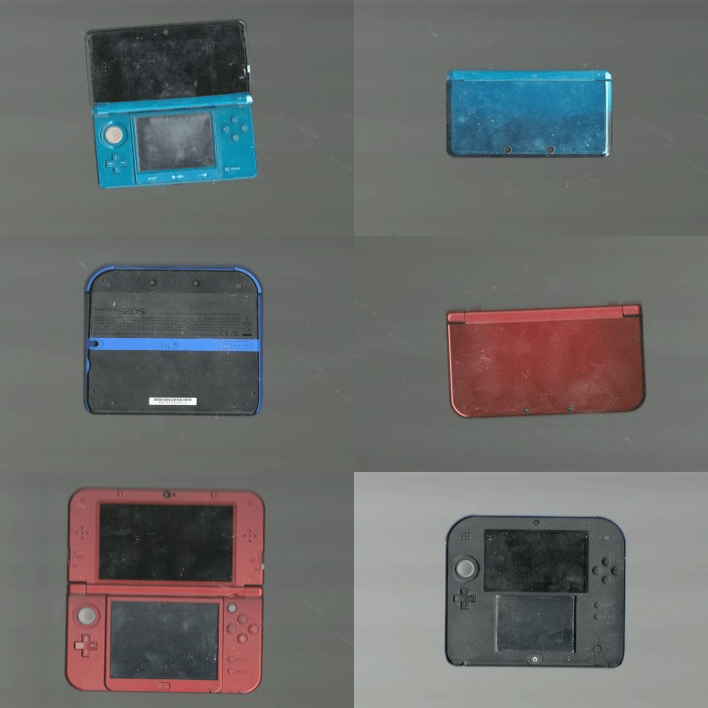
I have very fond memories of my 3DS. I never had a DS or DSi before that, but for my birthday one year I got the original 3DS in that stunning metallic aqua blue finish. I remember going to summer camp armed with my 3DS and a copy of MarioKart every day for several summers in a row. I’d meet up with the other kids who had 3DSes, and we’d start download play sessions and all play MarioKart together. I had one friend who was better at Luigi’s Mansion: Dark Moon than me. He’d show me the tricks to beat the harder ghosts in co-op multiplayer. Those were some of my fondest memories from my early childhood.
I have very fond memories of my 3DS. I never had a DS or DSi before that, but for my birthday one year I got the original 3DS in that stunning metallic aqua blue finish. I remember going to summer camp armed with my 3DS and a copy of MarioKart every day for several summers in a row. I’d meet up with the other kids who had 3DSes, and we’d start download play sessions and all play MarioKart together. I had one friend who was better at Luigi’s Mansion: Dark Moon than me. He’d show me the tricks to beat the harder ghosts in co-op multiplayer. Those were some of my fondest memories from my early childhood.
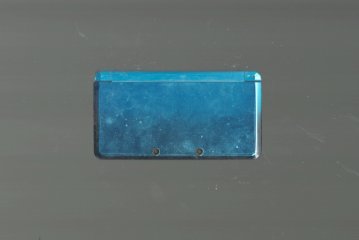
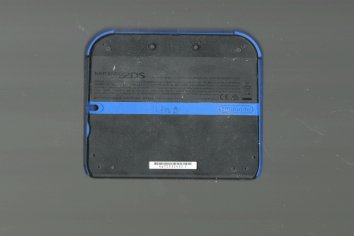
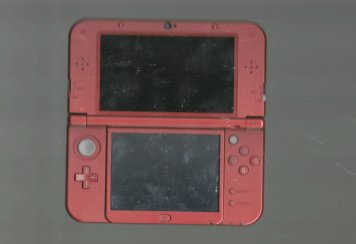
In comparison, the Nintendo 3DS launched in 2011 for $250, before quickly dropping the price months later. In 2013, Nintendo released an even cheaper variant: the infamous wedge-shaped 2DS, which cut the 3D feature and folding hinge to reduce the price. Later in its life, the 2DS could be had new for a measly $80 - the same price as a single Switch 2 game. These prices, the large game catalog, and Nintendo’s name recognition after the success of the Wii, made the 3DS an obvious choice for parents looking to gift their kids their first portable game console.
Because it was so accessible, the 3DS became ubiquitous on the playground. However, it was the amazing features Nintendo put into them that made them special. Download play was a game-changing feature at the time. Wanted to play MarioKart with your friends, but didn’t have the game yourself? No worries, your friend could start the session. You would join in on your 3DS, and it would download a copy of the game from their 3DS. This let you play nearly any local multiplayer game, even if you didn’t have a copy of the game yourself, as long as your friend did. This meant nobody felt excluded if they couldn’t afford a copy of the latest game.
The 3DS line also had numerous social features. The most famous was Streetpass, where if you got near someone else with their 3DS, a light on yours would turn green. The next time you opened it up, the other person’s Mii would appear in your Mii Plaza. As more people appeared in your Mii Plaza, you could use their characters to fight in little minigames, or unlock new cosmetic items for your Mii to wear.
However, my favorite social feature was always Swapnote. This was the 3DS version of Pictochat. You could draw little pictures and send them to people nearby via Streetpass, or to your friends over the internet via Spotpass. Once you sent a drawing, the other person would receive a timelapse of the image being drawn, further adding to its appeal. Swapnotes would be delivered in slideshows of up to four image, and each one could have a picture, video, or audio file attached. Each slideshow had a limited amount of “ink” you could draw with, which forced you to be creative.
I remember using Swapnote to send little drawings to my friends all the time. Doodling with the cheap stylus on that tiny touch screen always lit me up with joy. The quirks and limitations of Swapnote are what made it feel so special. That’s what Nintendo always did well: adding twists to their games to add just a little bit more interest. That creative spirit lives on through their newer consoles. However, nothing will ever feel as special as the 3DS did to a younger me.
E-mail us at friendcities@proton.me for any other questions or future bookings!